Underfloor heating has steadily taken center stage as one of the most coveted features for new homes and renovations alike. By 2026, the technology has advanced remarkably, blending comfort, energy efficiency, and smart integration in ways that change how homeowners think about home warmth. The market’s recent growth highlights just how much homeowners and developers value this upgrade. Global revenues are projected to climb beyond seven billion dollars by the end of the decade, driven by innovative systems and evolving regulatory standards supporting greener choices in construction.
Market Growth in 2026 and Emerging Trends
Recent reports paint a picture of a thriving industry. Between 2025 and 2030, the global underfloor heating sector is expected to post annual growth rates of up to eight percent. This surge comes from increasing demand in both residential and commercial spaces, particularly in colder regions and areas aiming for energy-efficient, low-emission buildings. More than ever, homeowners seek low temperature hydronic systems, prized for their ability to deliver efficient comfort without the sharp temperature fluctuations that can come with conventional radiators. These systems use water heated to lower temperatures, often powered by heat pumps or renewable sources, resulting in substantial energy savings.
Thermostat technology sits at the heart of many of these advances. Programmable, smart, and app-enabled controls allow homeowners to manage warming schedules, zoning, and even tie into broader home automation setups. The rise of digital thermostats for underfloor heating means more granular control, improved learning algorithms, and, crucially, less wasted energy. Next-generation radiant panels and low-profile systems now make both new installations and retrofits more accessible, driving adoption for all kinds of property projects.
The Main Benefits of Underfloor Heating for Energy Efficiency and Comfort
Life with underfloor heating feels different. Warmth radiates silently from below, filling a room with even, steady heat. There are no cold spots or the dry airflow that comes from forced air systems. This radiant style of heating is up to 30 percent more efficient than many traditional methods, using lower temperatures to keep a consistent climate throughout the space. When paired with energy-saving thermostats, these systems continue working only when needed, further reducing utility bills.
The benefits go beyond energy savings. Underfloor heating frees up wall space by removing the need for bulky radiators. Dust circulation reduces, which can help people who suffer from allergies or respiratory sensitivities. A room’s air feels cleaner, and the overall environment is more inviting. The comfort delivered by radiant warmth often means people can set their thermostats slightly lower without sacrificing coziness, compounding the savings every year.
Installation Choices for Every Project
Homeowners and renovators now have more flexibility than ever when adding underfloor heating to their spaces. In new builds, these systems are easily integrated during the flooring stage, with hydronic pipes or electric mats seamlessly built into the subfloor. This approach ensures optimal energy performance and instantaneous fit with modern building standards. When retrofitting an existing home, the process has become substantially less invasive. New low-profile hydronic panels and ultra-thin electric mats mean less disruption. No need for significant floor excavation in the majority of cases.
Choosing the right system depends on a mix of factors, including the structure of your home, the type of flooring, and available budget. Water-based underfloor heating pairs perfectly with heat pumps and is now a preferred choice for larger or multi-room installations. Electric systems, due to their ease of installation and versatility, remain a go-to for smaller spaces or renovation projects, especially when a rapid upgrade is needed. Insulation remains vital for both options. Placing insulation below the heating element directs warmth upward, increases system efficiency, and shortens heat-up times.
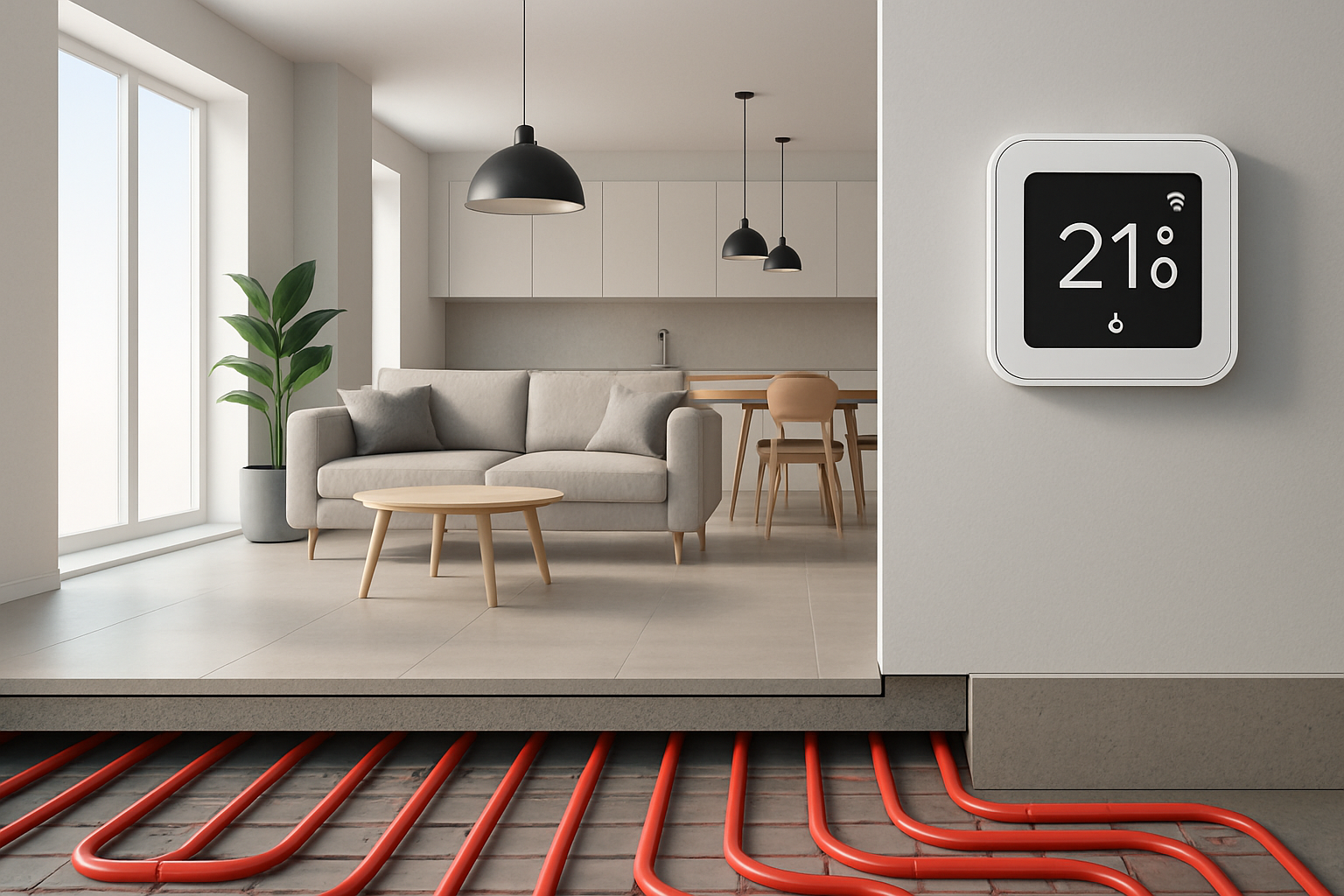
A glimpse at how water-based underfloor heating is laid out beneath modern floors, managed by intuitive smart thermostats.
Installation Costs and Critical Considerations
Switching to underfloor heating brings up some important questions. Installation costs can vary considerably depending on your specific situation. For new constructions, it is generally more cost-effective since underfloor heating can be included in early building stages without the need for demolition. Retrofitting older homes can raise overall expense, especially if structural changes or adjustments to room height are required. The price range for supply and installation in 2026 typically falls between sixty and one hundred ninety per square meter, with retrofit projects tending to be at the higher end. Electric systems tend to be less expensive to install than hydronic options, though running costs can differ depending on your local energy rates and the type of flooring above the system.
Other important considerations include the type of insulation already present beneath your floors, the height profile you can accommodate, and your intended energy source. Homeowners also need to think about disruption during the installation period, as flooring may need to be lifted or temporarily replaced. Any transition to a new heating method presents a learning curve as you adjust to using digital thermostats and understand the new zoning controls. Overall, being aware of these factors allows for a smoother and more cost-effective switch.
Overcoming Challenges with Expert Insights and Smart Controls
The decision to adopt underfloor heating is not without its challenges. Installation can be more involved than simply swapping out radiators. Careful planning before beginning a retrofit project is essential. It is wise to assess whether the floor-to-ceiling height can accommodate the additional layers needed for the system, and to invest in quality insulation to maximize efficiency. While the upfront cost may be higher, lower running costs and better energy management make it a worthwhile investment in the long run.
Pairing underfloor heating with smart thermostats is a game-changer by 2026. The latest thermostats offer features such as room-by-room zoning, time-of-use scheduling, and even learning algorithms that adapt to your habits. Remote control via smartphone apps provides real-time adjustment from anywhere. These innovations unlock maximum energy savings while ensuring rooms are always set at the ideal temperature. Expert installers suggest mapping out your most-used areas and placing additional sensors in rooms that see regular use, guaranteeing targeted comfort where you need it most.
Expert Tips for Maximizing Underfloor Heating in Modern Homes
Making the most of a radiant heating system requires more than just a good installation. Experts recommend always starting with a detailed heating plan. This plan should define your main living zones, the expected foot traffic, and where you spend most of your time at home. Adjusting each room individually means you never waste energy heating unused spaces. Pairing underfloor heating with smart thermostats unlocks this zoning potential, letting you program heating for mornings in the bathrooms, cozy evenings in the living room, or remote control while you are away.
Routine maintenance keeps your system running efficiently for years. With hydronic installations, topping up fluids and cleaning filters should become part of a seasonal routine. For electric systems, a once-yearly check is usually sufficient. Keeping furniture and floor coverings lighter and more open maximizes heat distribution, while regular thermostat updates ensure you are always benefiting from the latest energy-saving features.
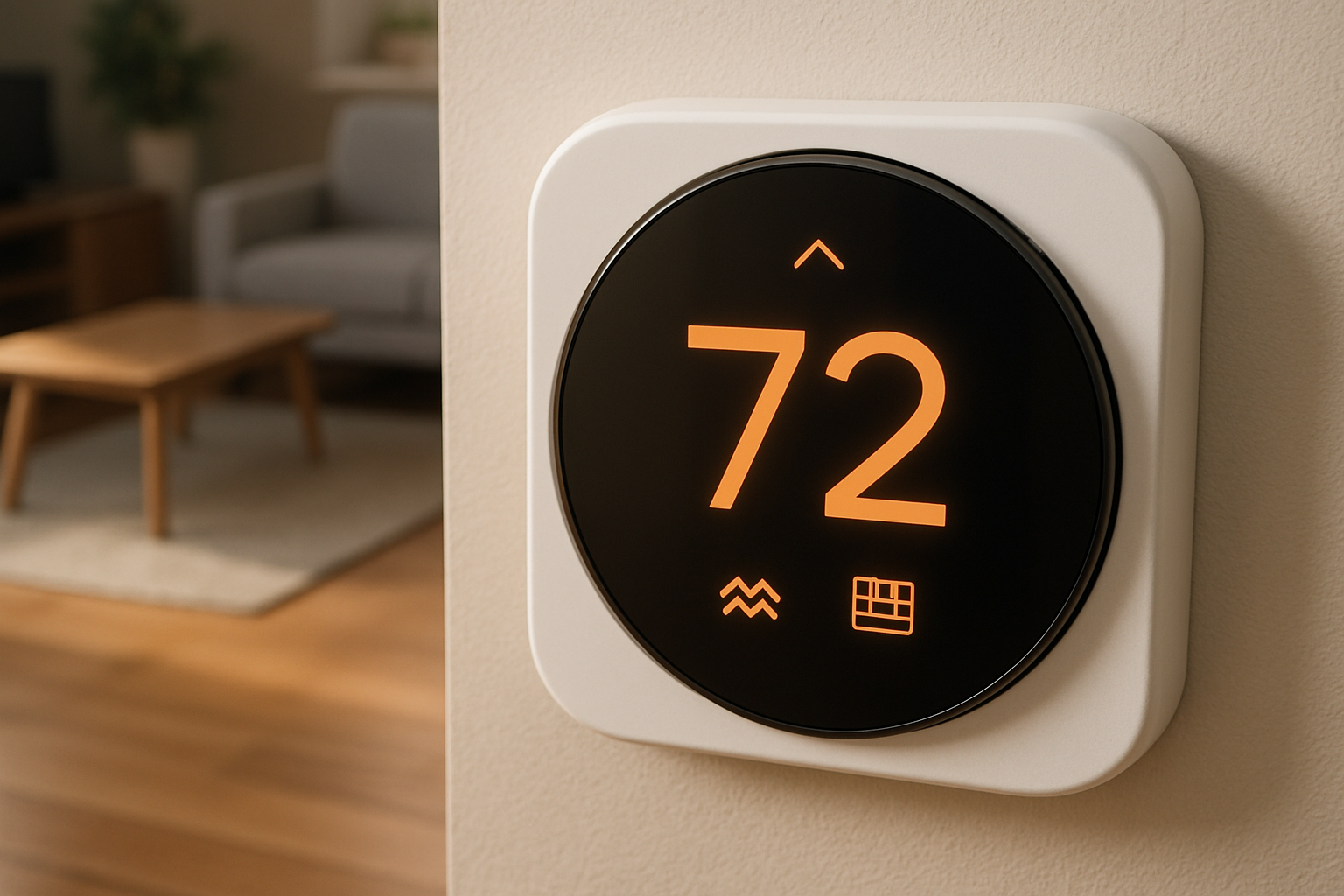
Advanced smart thermostats empower homeowners to fine-tune underfloor heating for energy savings and tailored comfort.
Looking Ahead The Future of Underfloor Heating in Home Comfort
With advancements arriving at pace, embracing underfloor heating in 2026 means more than just adding a modern luxury to your living space. The systems now available offer tangible improvements in energy efficiency, seamless integration with renewable sources, and customized comfort for every room. As technology continues to evolve, the focus will stay locked on intuitive controls, greener materials, and achieving the right balance between comfort and cost savings.
Transforming the way your home feels and performs starts with informed decisions. Whether you plan to retrofit an older home or integrate modern comfort into a new build, today’s radiant heating solutions offer an opportunity to future-proof your home against rising energy costs and changing climate demands. If you are considering the switch, consulting with a qualified installer will help tailor the system for your needs. And let you step onto a warm floor every morning with confidence.
Frequently Asked Questions
What is the most energy efficient underfloor heating system in 2026
Hydronic underfloor heating paired with a modern heat pump delivers the highest energy efficiency. This combination uses low water temperatures and renewable energy integration, making it a top choice for new and retrofitted homes seeking both savings and sustainability.
Can underfloor heating be installed in existing homes
Absolutely. Advances in low-profile hydronic and electric systems mean that retrofitting is often straightforward, particularly for single rooms or during major renovations. However, there may be a need to adjust floor height or improve insulation, which should be discussed with your installer in advance.
How much does it cost to install underfloor heating in 2026
Costs in 2026 range from sixty to one hundred ninety per square meter depending on whether it is a new build or a retrofit and whether you choose hydronic or electric. New builds usually sit at the lower end of this range, especially for larger projects, while older homes may require additional preparations that add to the overall cost.
Will underfloor heating work with any type of flooring
Most flooring types can work with underfloor heating, including engineered wood, tile, and vinyl. Carpet can also be used if the tog rating does not exceed manufacturer recommendations. It is always important to check compatibility to ensure optimal performance.
Are smart thermostats necessary for underfloor heating
While not a requirement, smart thermostats greatly enhance comfort and energy savings. They allow for remote control, zoning, and advanced scheduling, so your underfloor heating system works exactly when and where you need it most.


